
Whoa, that felt weird. I picked up a Tangem card last year. It was tiny and cold at first contact but strangely reassuring. At first glance I thought “just another hardware wallet”, though actually my gut flagged something different in the tactile design and the NFC flow. My instinct said: this might change daily use for some people.
Wow, I mean seriously—it’s just a card. It slips into my wallet like a credit card and doesn’t scream “crypto” at a glance. The convenience is striking, and the low friction for payments and signing feels thoughtful rather than gimmicky. Initially I thought cards would be fragile, but they survived being sat on and a few accidental drops without drama.
Here’s the thing. The idea of private keys stuck on a piece of metal makes some folks uneasy. I’m biased, but I prefer a physical object you can touch and lose, rather than an abstract seed phrase you write on paper and then forget. On one hand the seed backup model is robust; though actually storing a seed safely felt like a chore I kept putting off. Something about the Tangem approach made me actually use cold storage regularly.
Really? Yes, really. The NFC tap paradigm is humbly brilliant for mobile-first users. I tested it across phones, and the card paired smoothly when needed and otherwise stayed dormant. Because there’s no battery and no screen, you avoid a whole class of firmware attack windows that plague some devices. Still, I won’t pretend it’s risk-free—no solution is perfect.
Wow this part surprised me. There are trade-offs between pure air-gapped security and everyday usability. Using a card adds convenience but changes the threat model in subtle ways. If someone physically gets your card and your phone together, that’s a problem you need to plan for. My approach became to treat the card like a high-value credit card—physically secure, but ready for daily use.
Whoa, tiny thing big implications. The Tangem card stores a private key in a secure element that only responds to authorized NFC transactions. That hardware isolation reduces exposure, since keys never leave the card and cannot be exported. The card signs transactions and returns a signature to the phone app, so interaction remains smooth yet secure when done right.
Okay, some quick caveats. Recovery patterns differ from standard mnemonic methods. You may rely on card cloning or an additional backup card rather than a written seed. I’m not 100% comfortable with the idea of relying on a single physical artifact, so I used dual backups and a separate vault solution. On the plus side, the pairing and signing UX reduced my accidental unsafe behavior.
Wow, the app surprised me too. The companion app’s interface feels modern and stripped down, which for many people is a relief. The less techno-babble the app displays, the more likely users will perform safe transactions without hesitation. The flip side is that advanced options exist but are tucked away, which is fine for most daily users.
Here’s the thing about NFC reliability. I had one older phone where taps were flaky. The card worked on most devices, but compatibility matters. I tested on iOS and several Android handsets, and the behavior varied slightly by OS and NFC chipset. If you’re planning to rely on a card, test it with your phone before you commit—trust but verify, as they say.
Whoa, real-world wear matters. I carried the card in a back pocket, in a sunglass case, and once in a jacket pocket that leaked coffee. It kept working. Design choices like rounded edges and a slightly textured finish made handling easier. The card felt like it had been thought through by someone who actually carries things in their pockets—small detail, but worth noting.
Hmm… I had moments of doubt. Initially I thought the lack of an exportable seed limited portability, but then I realized that portability without security is pointless. Actually, wait—let me rephrase that: losing your seed due to sloppy management is worse than having a slightly less flexible backup approach. So I set up an additional backup card and a secure custody partner for large holdings.
Wow, the human factor is huge. Friends asked how to use it and then literally tapped it at dinner. The “cool” factor helps adoption, but it also invites casual handling, which can be risky. On one hand social proof accelerates learning; though on the other hand it normalizes treating a private key like a novelty. That part bugs me.
Whoa—I saw a pattern emerge. For small daily payments and DeFi interactions using mobile wallets, the card is ideal. For long-term cold storage of large sums, I still prefer multisig setups and offline seed storage. So I ended up with a blended strategy: cards for spending and daily signing; multisig for vault-level protection. This hybrid gave me both accessibility and peace of mind.
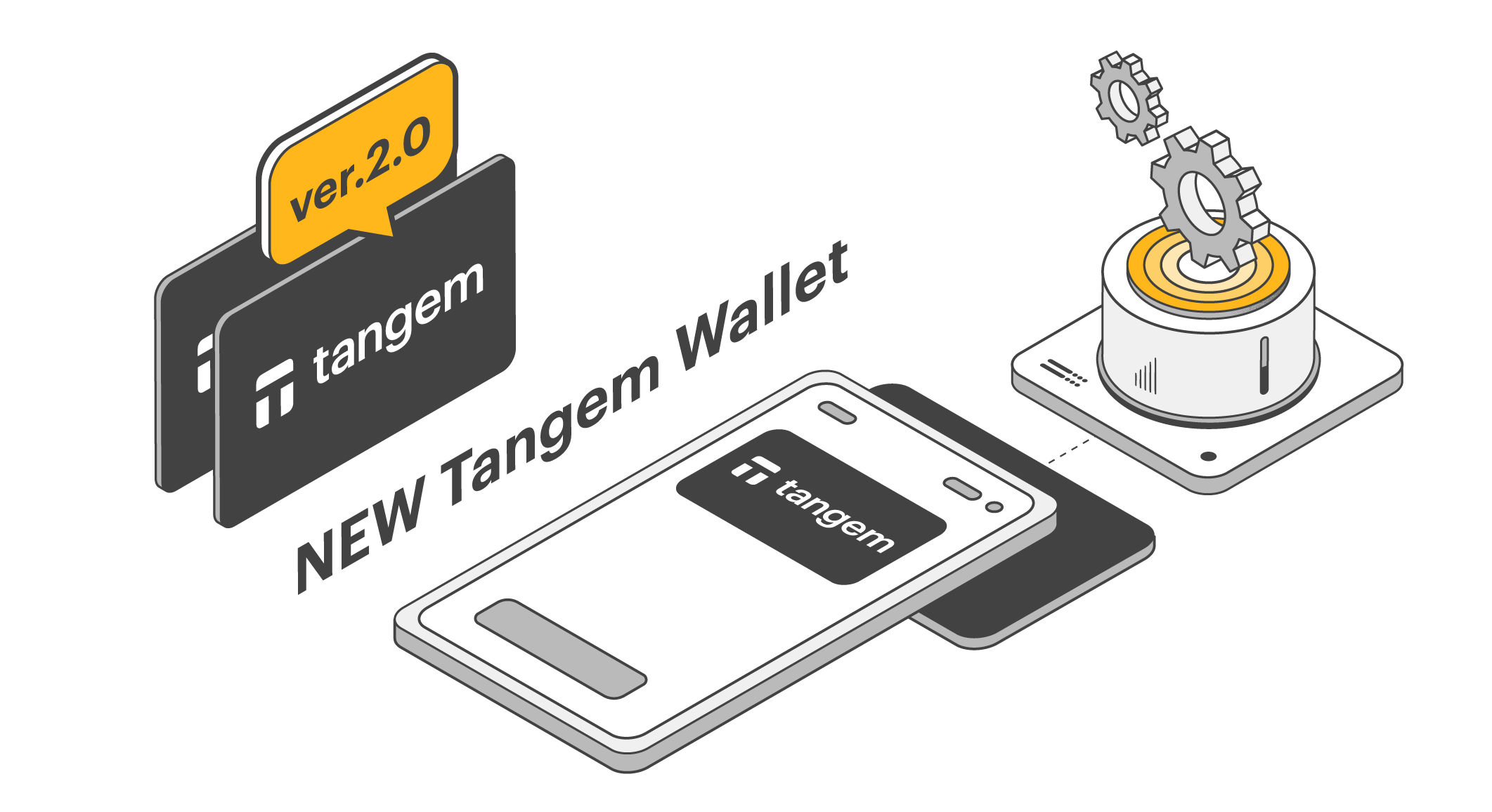
Where the tangem wallet fits in the mix
Check this out—if you want a practical entry point to card-based custody, the tangem wallet is a solid place to start. The integration between card and app is tight, and the documentation covers common scenarios without being overwhelming. I’m partial to hands-on learning, so I liked that the onboarding felt like training wheels rather than an exam.
Whoa, let me be transparent. I’m not claiming Tangem is flawless—far from it. The single-link backup model requires planning, and firmware updates need careful attention. Also, regulatory clarity changes by region, and some enterprise use cases demand different guarantees. Still, for everyday users looking to step up from custodial apps, this is a meaningful upgrade.
Really, here’s a practical tip. Treat the card like a high-value card—keep it in a separate RFID sleeve or in a small steel deposit box if you’re traveling. If you clone a backup card, store it in a different physical location. Having redundancy removes a lot of sleep-loss. Simple steps like this make a huge difference when things go sideways.
Whoa, privacy note. Card-based custody reduces some attack surfaces but doesn’t erase tracking vectors completely. Transaction metadata still leaks on-chain, and smartphone apps can expose usage telemetry if given permission. I trimmed permissions and used privacy-minded wallets alongside the card, which helped reduce my digital footprint.
Here’s a final bit of honesty. I still write down a mnemonic for one of my test setups because I’m old school at heart. That felt redundant sometimes, very very redundant, but it also felt safe. I’m not 100% against mnemonics; I’m just tired of the “one-size-fits-all” messaging in crypto. Different tools for different tradeoffs.
Wow, so what’s my takeaway? For mobile-first users who want a low-friction but secure way to sign transactions, card-based wallets are a compelling option. They move security into an object you carry. They make everyday interactions smoother and teach better habits through convenience rather than fear.
Whoa, would I recommend one? Yes, with caveats. Use multiple backups, test compatibility with your phone, and pair the tech with basic physical security habits. Consider card-based custody as part of a broader strategy, not the entire solution.
FAQ
Can I recover funds if I lose my Tangem card?
There are recovery options depending on how you set up backups—some people clone a backup card or use an authorized backup service. Recovery differs from the classic mnemonic model, so plan ahead and test your chosen backup approach to avoid surprises.
Is a card safer than a seed phrase?
Safer in some ways and riskier in others. Cards reduce digital attack surfaces by keeping keys in a secure element, but they introduce single-point physical risks unless you use backups. For many users, the trade-off favors cards for everyday use and multisig or offline seeds for large, infrequently moved holdings.