
Okay, so check this out—Solana’s fast. Really fast. Wow! Transactions whiz by in milliseconds, and that speed is both thrilling and maddening when you need to trace somethin’ down. My instinct said “this should be easy,” and then reality nudged me. Initially I thought explorers were interchangeable, but actually, they each bring their own utility and quirks.
Blockchain explorers are the microscope for on-chain activity. They let you look up wallets, inspect token transfers, audit contracts, and validate transactions. For Solana specifically, Solscan is one of the cleanest, most user-friendly UIs out there. Seriously? Yep. It’s what lots of folks reach for when they need a quick read on an address or a transaction.
Here’s the thing. Not every explorer shows the same metadata or internal program logs the same way. On one hand, a block explorer highlights confirmations and balance changes. On the other, some give deeper program logs, CPI stacks, and token metadata. Though actually, that difference matters when you’re debugging a failed swap or confirming an NFT mint.
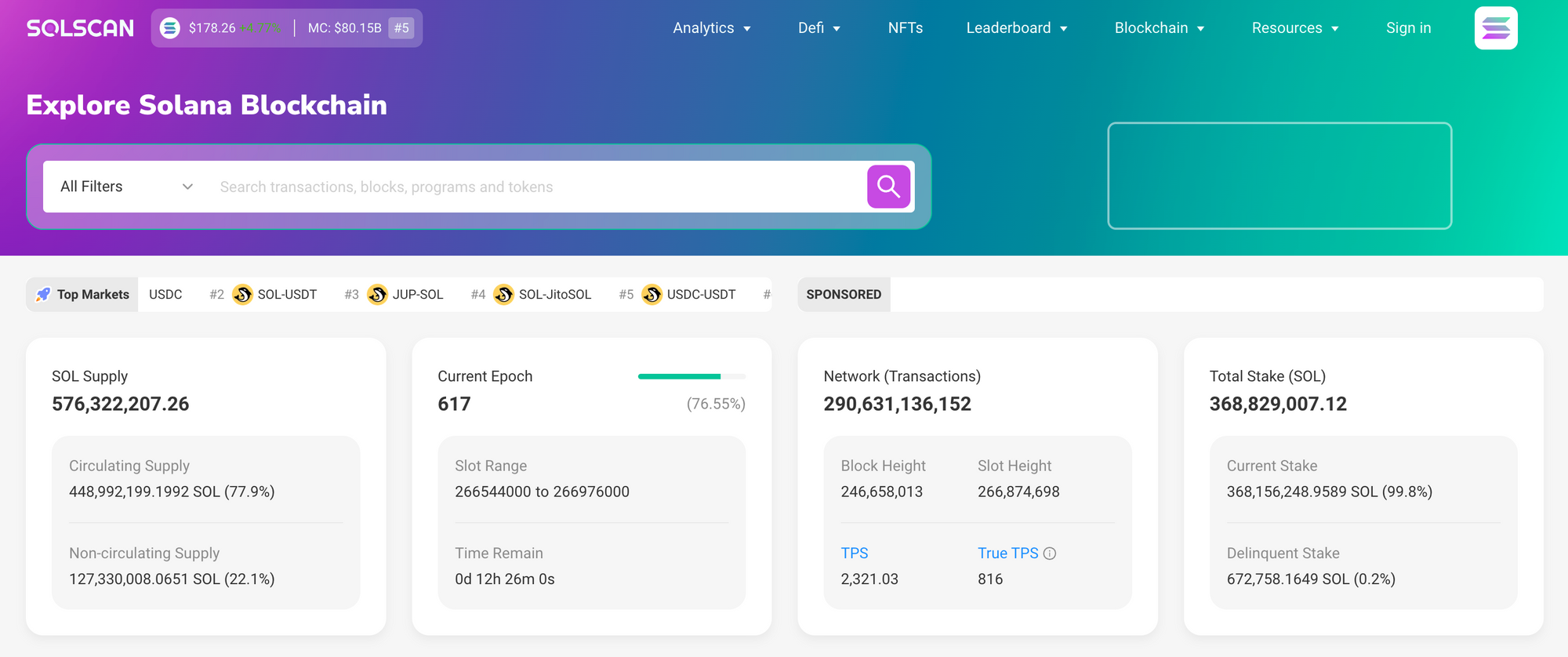
Why use Solscan (and where to find it)
If you want to go straight to the Solscan official interface, here’s a reliable link you can trust: https://sites.google.com/cryptowalletextensionus.com/solscan-explorer-official-site/. Use it when you need a quick lookup or a deeper dive into token holders. I’m biased, but its readability and speed make it a go-to.
Search capability is the first thing to master. Paste a wallet address, transaction signature, or token mint into the search bar. Medium tip: addresses are long hex strings, signatures are also long but differ slightly by context. If a transaction fails, look at the “Status” and then open the transaction details to see logs. Those logs are where the why lives.
Short checklist. Look for: status, block time, fee, pre/post balances, and program logs. Also check token transfers and whether any CPI (cross-program invocation) calls took place. Those little details explain most surprises.
Reading transactions without drowning
Start with the signature. Then check the status. Are we confirmed? Finalized? Those are not just buzzwords. They tell you how sticky that tx is on the ledger. Next, scan pre- and post-balances. This reveals which accounts paid fees and where funds moved. Oh, and by the way… watch out for change addresses and wrapped SOL nuances.
When a transaction fails, logs are your friend. Look for “Program log:” lines. They often include explicit error messages like “insufficient funds” or custom program errors. Sometimes the logs are sparse. Then you need to inspect which program was called and cross-check its docs or GitHub. Yes, it’s annoying when the error is opaque. It happens.
Curious about tokens? Jump to the token transfers panel. Token mints, decimals, and systematic token accounts show up there. For NFTs, metadata and creators are key. If mint authority shows as a specific program, that’s a red flag or a feature, depending on the project.
Explorer features that actually save time
Filters. Use them. Filters can hide noise and surface the exact instruction you’re hunting for. Activity tabs for addresses are gold. They let you see interactions at a glance: swaps, mints, staking events. Program pages are also useful; they show all transactions invoking that program and let you eyeball unusual spikes.
Export and CSV tools. Sometimes you don’t want to click through UI panels. Export transaction histories and run quick analyses in a spreadsheet. It’s old school, but very effective for spotting patterns or repeated airdrops.
Pro tip: match the slot time with your off-chain logs. If your backend recorded an event at t1 and the explorer shows confirmation at t2, you’ll see where network latency or replays caused gaps. This helps when you’re debugging user complaints about “lost” txs.
Security, trust, and verification
Explorers are read-only windows. They don’t hold funds. Still, not all explorers are equal in provenance. Verify the domain, check for HTTPS, and cross-check signatures across multiple explorers if anything looks suspicious. One explorer might show cached or slightly delayed info; another will show the finalized on-chain data.
Don’t blindly trust token metadata presented by an explorer. Metadata can be proxied or manipulated if the source on-chain permits it. Always check the mint account, its creators, and verified collection flags for NFTs. If a project matters to you, confirm metadata on-chain and via project channels.
Remember: decentralization has shades. Solana’s validator set is robust, but network conditions vary. Transaction confirmation times and reorgs are rare, but they exist. Keep that in mind when you rely on explorers to prove outcomes in disputes.
When Solscan isn’t enough
Sometimes you need raw RPC responses. Use a node or a public RPC provider. Dump the transaction JSON and inspect the “meta” and “innerInstructions” arrays. That JSON is the canonical story. It’s denser and less friendly than UIs, but it won’t filter out somethin’ important. If you’re building, integrate RPC checks into your backend to reconcile explorer views with the node’s view.
And frankly, different explorers index different things. If one explorer skips a token’s metadata, another may include it. Cross-checking is not paranoia—it’s due diligence.
FAQ
How do I confirm a transaction is final?
Check the confirmation status on the explorer. “Finalized” means the cluster has rooted the block, making reorgs virtually impossible. Also verify the slot and compare across two explorers or an RPC node if you need absolute assurance.
Why did my swap fail but funds left my account?
Often a failing instruction still incurs fees and may move SOL into temporary accounts (wrapped SOL, for instance). Inspect pre/post balances and program logs—those will show if a token transfer was reverted or if a rent-exempt account was created.
Can I trust token metadata on explorers?
Not blindly. Use the mint address to check on-chain metadata and look for verified creator flags. If mismatches appear, consult the project’s official channel or the token standard docs.